Introducing Bridges to Transformation
Welcome. We're Kay and Brandon Bridges, and this is a new site — one we built together, but one that's genuinely separate from brandonbridges.com. That site is Brandon's: his blog, his story, his voice, and it isn't going anywhere. Bridges to Transformation is the next chapter, and it's the two of us building it side by side.
“Justice-impacted...includes anyone touched by the system.”
What "justice-impacted" means, and why it's bigger than you think
You'll see us use the phrase "justice-impacted" a lot on this site, so we want to be clear about what we mean by it. It's not just people who've been incarcerated. It includes anyone touched by the system — people currently or formerly incarcerated, people on probation or parole, people awaiting trial, and just as importantly, the parents, spouses, children, and siblings who carry that weight alongside them.
Here's the number that drives everything we're building: nearly half of all U.S. adults — 45%, according to a national study by FWD.us and Cornell University — have had an immediate family member incarcerated. That's not a small, isolated group. That's roughly 1 in 2 people you know. If you don't feel justice-impacted yourself, someone sitting next to you probably is. This community is enormous and mostly invisible, and building it up — giving it a place to find itself — is the whole point of this site.
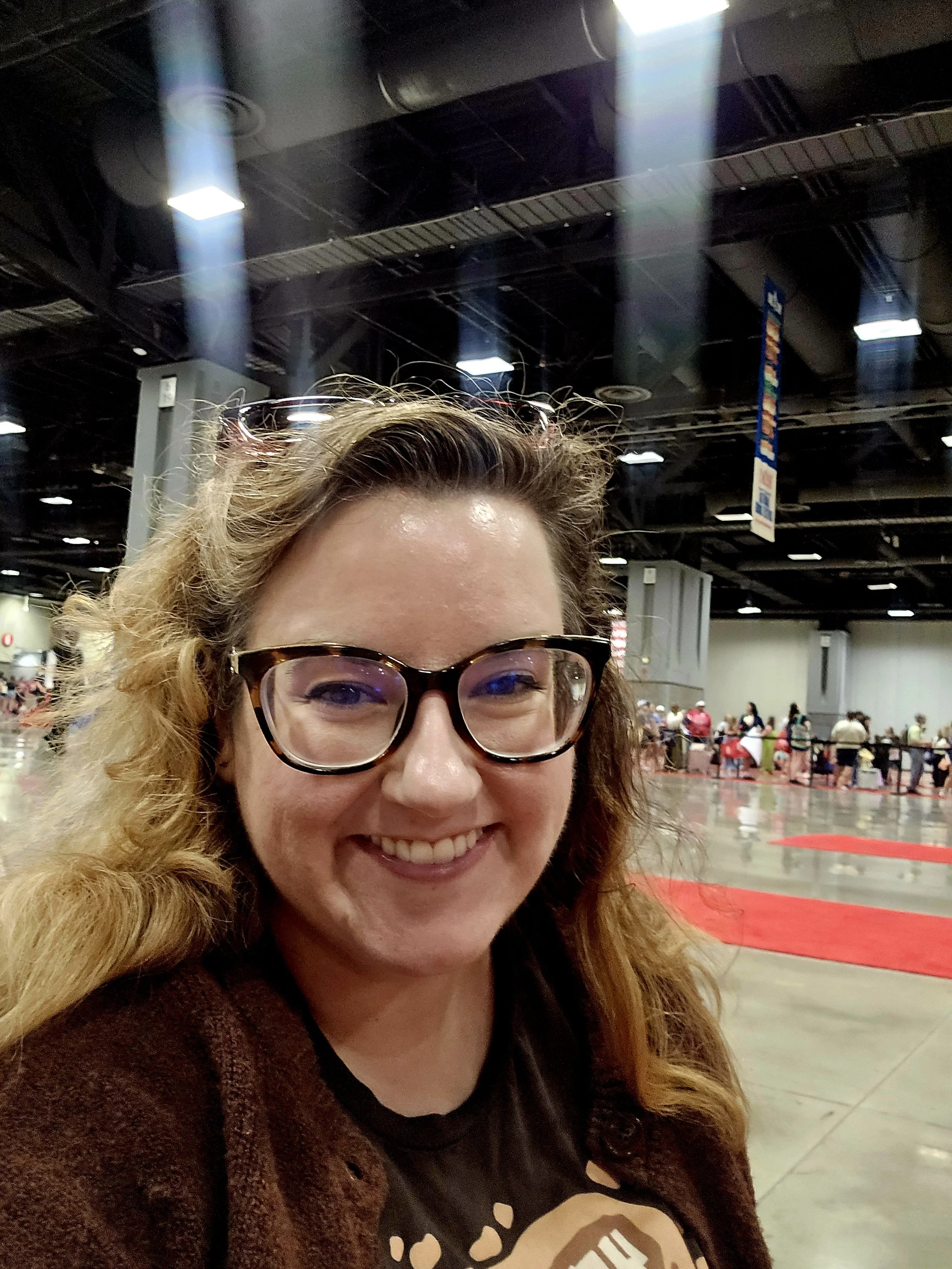
From Kay
I'm a public librarian, and that's not a throwaway detail — it's the reason this site exists in the form it does. Librarians spend their careers doing two things: organizing information so people can actually find what they need, and connecting people to the resources and community around them. When I married into a family touched by incarceration, I kept running into the same problem I was professionally trained to solve — the information is out there, but it's scattered, and the people who need it most, families of the incarcerated, people trying to understand the system, people looking for a way to help, have no central place to go.
Some of that comes from what I hear standing in the visitation line. I talk to a lot of women out there, waiting their turn just like me, and everyone has a story — a mother figuring out how to explain where Dad is, a wife trying to hold a household together on one income, a daughter learning what a phone call costs. Those conversations in line are where a lot of this site actually comes from. Every family in that line deserves somewhere to take what they're carrying, and right now most of them don't have one.
So that's what I'm building. I manage this site day to day: what gets published, what pages exist, how it grows. My goal is to turn it into a real hub for that 1-in-2 community — a place where justice-impacted families can find each other, where people who want to support reform have the tools to actually do it, and where our community here in North Carolina has somewhere to gather instead of staying scattered across individual blogs and Facebook groups.
When I'm not working on the site, you'll usually find me with a crochet hook in hand. It's become my go-to way to unwind — something creative and steady for my hands when everything else feels like it's moving too fast. I mention it because I think that matters too: this work is heavy, and finding your own way to breathe through it is part of staying in it for the long haul.
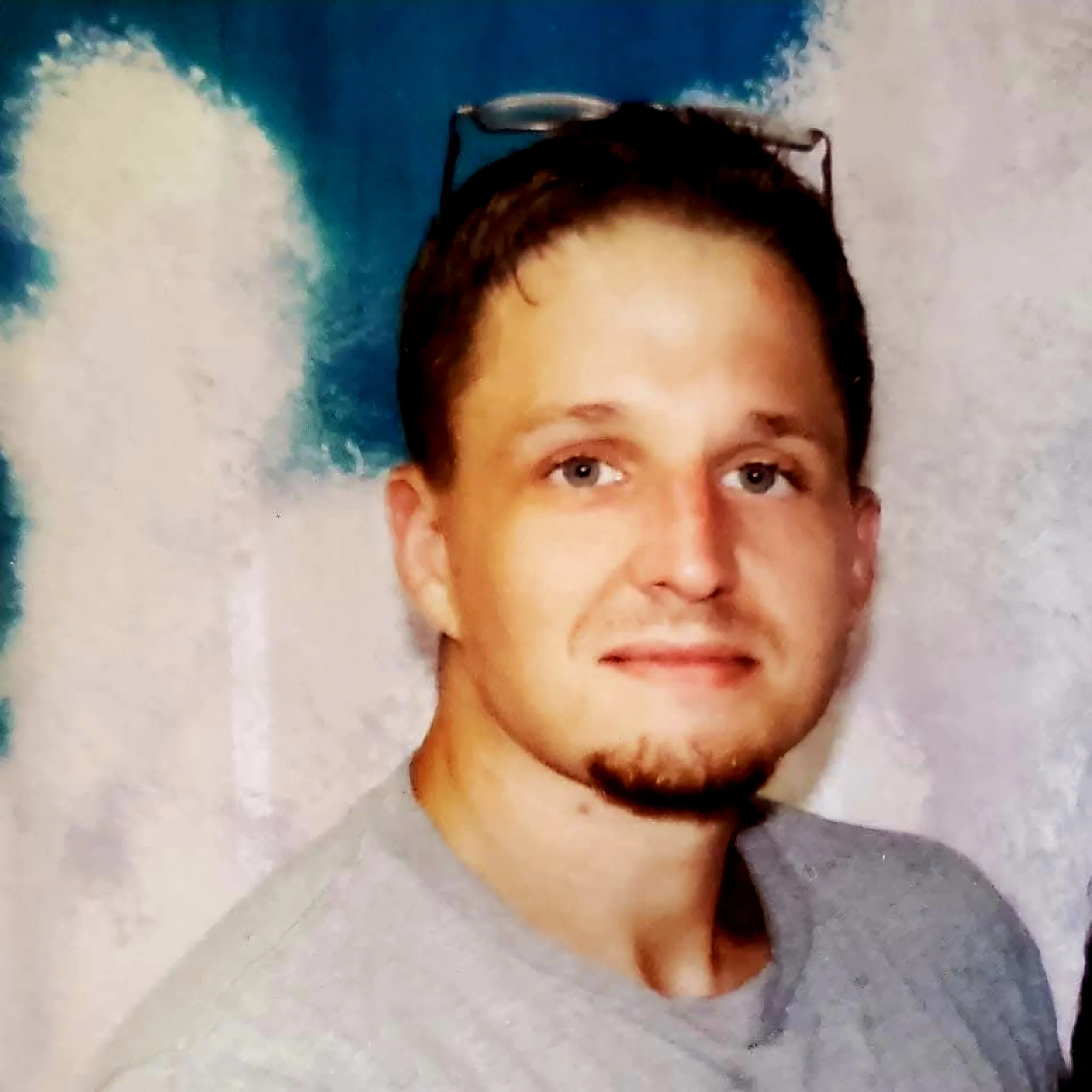
From Brandon
What I aspire to bring to this increasingly large justice-impacted fellowship is 20+ years of lived experience across both the juvenile and adult Carolina criminal justice and social services systems — nearly 100 certificates and diplomas, a B.A. in Theology, and an M.A. in Christian Organizational Leadership. I'm still writing, publishing, and speaking from inside the NC Department of Adult Corrections, carrying both incarcerated and free-world voices to that table. My wife and I may be some of the few people with our fingers on the heartbeat of this big, beautiful justice-impacted community. We have the desire, the discipline, and the will to help facilitate change — and, honestly, to ease some of our own suffering along the way.
But what's changing is who else gets a page here. I know men in here whose stories deserve to be heard as much as mine does, and part of what Kay and I want this site to become is a place for more than just my voice. One person's story is powerful. A community of people who have truly been rehabilitated, sharing what's actually on their minds, is a lot harder to look away from.
Some of that community-building I'm already doing inside. A while back I started a men's group here — a regular space for fellowship, support, and faith, where guys can be honest about what they're carrying and hold each other accountable to something better. I mentor younger guys coming up behind me, the way I wish someone had mentored me at eighteen, and I keep books moving — passing along whatever might open somebody's eyes to guys who are hungry for it. I'm also writing a leadership book of my own, because a lot of what I've learned about accountability and growth in here didn't come from where you'd expect, and I want to put it down somewhere permanent. And I try to look out for the men I see going without, putting together care packages for whoever needs one.
None of that costs much, but it's taught me that community isn't something you wait to build until you're free — you build it wherever you are. That's exactly what Kay and I want this site to become on the outside: the same fellowship, mentorship, and support I've found in here, open to everyone this touches.
What's coming next
This launch is a starting point, not the finished product. Two things we're actively building toward:
A store. We're putting together merchandise — not just a logo on a shirt, but pieces that say something specific: we're survivors, and we've grown because of this community, not in spite of it. Something a justice-impacted person can wear and mean it, and something anyone else can wear to say they stand with us.
A fund for families. Incarceration is expensive for the people left on the outside — collect calls, commissary, gas money for visitation, lawyers. We know that firsthand: it costs the two of us about $1,200 a month just to stay in contact as a married couple. We want Bridges to Transformation to be able to put real money into the hands of families facing those same costs, not just point them to information. That takes fundraising, and it's next on our list.
What's already here
While that gets built, there's already real work you can do on this site right now. Our Take Action page tracks three bills currently moving through the North Carolina General Assembly, with a ready-to-send letter template for your legislator and graphics you can share to get more people paying attention. It's a small ask, and it matters.
Thanks for being here this early. There's a lot more coming — and a lot more of us than people realize.
— Brandon & Kay Bridges